
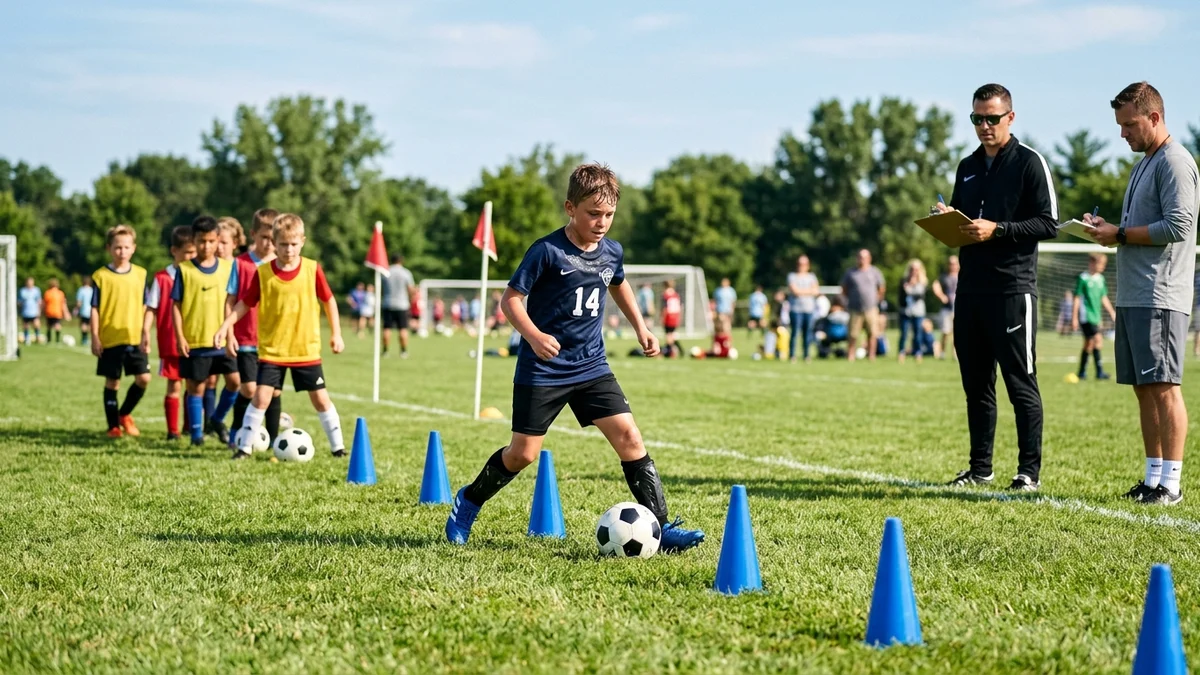
What to Bring to Soccer Tryouts: The Complete Checklist
What to Bring to Soccer Tryouts: The Complete Checklist
Quick answer: Players need proper soccer cleats, shin guards, appropriate athletic wear, and plenty of water, while parents should bring essentials like a chair, sunscreen, and any required paperwork. Having everything prepared ensures players can focus on showcasing their skills without distraction.
Updated June 2026. This comprehensive guide is for parents whose child has upcoming youth soccer tryouts and wants to ensure they are fully prepared.
Essential Player Gear for Tryouts
Arriving at tryouts with the correct gear is the first step in making a good impression. Coaches look for players who are prepared and understand the basic requirements of the sport. This isn't just about looking the part; it's about safety and comfort, allowing players to perform at their best.
Footwear: Cleats are Crucial
The most critical piece of equipment for any soccer player is their footwear. For tryouts, this means cleats specifically designed for firm ground (FG) surfaces, which are standard for most outdoor soccer fields. Unlike running shoes, soccer cleats have studs or blades on the sole that provide the necessary traction to make quick cuts, stops, and accelerations without slipping. It's vital to ensure that cleats fit properly – not too tight to cause blisters, and not too loose, which can lead to instability and potential injury. Pay attention to the material; some older or specialized fields might prohibit metal studs, so always check the tryout rules or the club's website. For a detailed guide on selecting the right pair, consult our reviews on the best soccer cleats.
Protection: Shin Guards and Socks
Safety is paramount, and shin guards are non-negotiable at any soccer tryout or practice. They are designed to protect the tibia (shin bone) from impact with the ball, other players, or the ground. Shin guards must fit correctly, extending from just above the ankle to mid-shin, and should always be worn under the socks. Standard soccer socks are long and extend to at least the bottom of the shin guard, providing an additional layer of protection and keeping the shin guards in place. Ankle socks or general athletic socks are not suitable as they won't cover the required area. Ensure your child's socks are long enough to fully cover the shin guards.
Attire: Comfort and Mobility
Comfortable and appropriate athletic wear is essential for a player's performance. Players should wear athletic shorts or soccer-specific shorts that allow for a full range of motion. Jeans, cargo pants, or overly baggy basketball shorts can restrict movement and are not suitable for soccer. For the upper body, a light, well-fitting athletic shirt is recommended. Avoid oversized shirts that could get in the way or be mistaken for a different team's color. Many tryouts provide numbered pinnies or bibs for identification, but it's always good to have your own shirt ready. For female players, a supportive sports bra is a necessary piece of athletic wear. Additionally, some players, particularly girls and older athletes, find athletic underwear or sliding shorts helpful for comfort during intense play.
Highly Recommended Player Items
Beyond the absolute essentials, several other items can significantly enhance a player's tryout experience, demonstrating preparedness and a serious approach to the game.
Personal Soccer Ball and Hydration
Bringing your own soccer ball is a highly recommended practice. It allows players to warm up effectively on their own terms before drills begin, showing initiative and readiness. Coaches appreciate seeing players who come prepared with their own equipment. Ensure the ball is the correct size for your child's age group; for instance, U13 and older typically use a Size 5 ball. Equally critical is a large water bottle, ideally at least 24 ounces. Tryouts can last anywhere from 60 to 90 minutes, and staying hydrated is crucial for maintaining energy levels and preventing fatigue. Dehydration can negatively impact performance and decision-making on the field.
Comfort Enhancements and Goalkeeper Specifics
While optional, some players benefit greatly from additional comfort items. Grip socks are a popular choice; these are worn as an inner sock, under the regular soccer sock, and are designed to enhance grip within the cleat, potentially preventing blisters and improving foot stability. If blisters are a concern, bringing an extra pair of socks is a wise precaution. For players specifically trying out for the goalkeeper position, goalkeeper gloves are mandatory. These provide essential grip and protection for catching and handling the ball.
Optional but Beneficial Player Items
These items may not be strictly necessary, but they can contribute to a player's comfort, readiness, and overall presentation during tryouts.
Layering and Organization
Depending on the weather, a sweatshirt or warm-up jacket can be invaluable, especially for early morning or cooler-weather tryouts. Being able to stay warm between drills or before the session begins can help players maintain muscle temperature and readiness. A dedicated sports bag or soccer backpack is also a smart addition. It helps keep all gear organized and easily accessible, and it presents a polished image to coaches. We’ve reviewed some excellent options in our guide to the best youth soccer backpacks.
Maintenance and Post-Tryout Needs
A small ball pump can be a lifesaver if a player's ball needs a bit of air before or during the tryout. While not directly for playing, having a light snack like a banana or granola bar for after the tryout can help replenish energy levels, especially if players have a long day or immediate commitments afterward.
Special Considerations for Goalkeeper Tryouts
Goalkeepers have a unique set of requirements due to the specialized nature of their position. If your child is trying out as a goalkeeper, ensure they have the following:
Essential Goalkeeper Gear
Goalkeeper gloves are paramount. It's highly recommended to bring at least two pairs if possible – one primary pair and a backup in case the primary pair gets damaged or excessively wet. A long-sleeve shirt or goalkeeper jersey is often preferred by goalkeepers for protection during dives and saves. While optional, padded goalkeeper pants or shorts can offer an extra layer of protection against turf burn and impact, which can be particularly beneficial for younger or less experienced keepers.
What Parents Should Bring to Support Their Player
While the player focuses on the field, parents play a crucial role in ensuring a smooth and supportive experience. Here’s what parents should consider bringing:
Comfort and Logistics
Many soccer fields, especially at public parks or school facilities, lack adequate seating. Bringing a comfortable lawn chair or blanket can make waiting and spectating much more pleasant. The sun can be intense, so sunscreen and a hat are essential for protecting yourself. If the weather is unpredictable, an umbrella or a rain jacket can be a lifesaver. It’s also wise to have cash on hand for any registration fees that might not have been paid online; some clubs charge a tryout fee, typically ranging from $20 to $50. It's best to call the club ahead of time to confirm if a fee is required and what payment methods are accepted.
Documentation and Information
Have a pen ready to sign any required waivers or registration forms. Some clubs may ask to verify a player's age, so it’s a good practice to have the player's birth certificate available, though it's not always required. While unlikely to be needed, carrying your insurance card is always good practice in case of any unforeseen medical situations. Finally, ensure you have the contact information for the club or the tryout organizer in case you have any last-minute questions or need to report an issue.
What NOT to Bring to Soccer Tryouts
To keep the focus on the game and ensure safety and fairness, certain items should be left at home.
Player Items to Avoid
Players should not wear expensive jewelry during tryouts. These items can be easily lost, damaged, or pose a safety hazard to the player and others. Also, discourage players from bringing scooters or bikes to the tryout location; these should be left at home or secured away from the playing fields. Avoid bringing food that will spoil in the heat, as it can be a health hazard and attract pests.
Player Attire Cheat Sheet
To quickly summarize what players should wear and what to avoid, refer to this handy table:
| Wear | Don't Wear |
|---|---|
| Proper FG cleats | Running shoes or sandals |
| Shin guards worn under socks | Shin guards worn over socks |
| Long soccer socks | Ankle socks or no socks |
| Athletic shorts or soccer shorts | Jeans or board shorts |
| Well-fitting athletic shirt | Oversized or baggy shirts |
Finding a Soccer Home
Preparing for tryouts is a significant step in a young player's soccer journey. Once tryouts are complete, the next step is finding the right club. Exploring different teams can help you discover opportunities that align with your child's skill level and aspirations. You can begin your search by exploring our comprehensive directory to find youth soccer clubs near you and learn more about how to prepare for the entire tryout process by visiting our youth soccer tryout guide.
Keep Reading
For more help comparing options and planning the next step, keep going with:
Frequently Asked Questions
What are the most important items a player needs for soccer tryouts?
What kind of cleats should my child wear to tryouts?
Are shin guards really mandatory for soccer tryouts?
What type of socks are best for soccer tryouts?
What should my child wear for clothing to soccer tryouts?
Besides player gear, what should parents bring to soccer tryouts?
Related Articles

How to Gain Confidence in Soccer: 8 Proven Mental Strategies
Build your soccer confidence with 8 proven mental strategies — positive self-talk, goal-setting, handling mistakes, and pre-game routines for youth players.

How to Get Better at Soccer: 10 Proven Tips for Youth Players
Want to get better at soccer? These 10 proven tips cover ball control, fitness, mental toughness, tactical thinking, and consistent training habits.
Soccer Speed Training: 7 Drills to Get Faster on the Field
Improve your speed on the soccer field with interval sprints, acceleration drills, and agility work. Proven speed training methods for youth players and coaches.

Fun Christmas Soccer Training Activities for Kids and Teams
Find fun Christmas soccer training activities for kids, teams, and winter break sessions, with festive drills for dribbling, passing, and shooting.